
Art and Music Therapy
Art and Music Therapy: Healing through Creativity
Sometimes it’s hard to talk about difficult things in life, and healing seems impossible. But restoration can be achieved through art and music. Here at Synergy, we offer both music and art therapy to help you flourish.
Synergy Houses Therapies
What Is Art and Music Therapy?
 Art and Music therapy are two similar kinds of therapy where a person uses non-verbal means to express themselves, through either art or music. These kinds of therapy have been used for centuries, but they have been clinically researched and documented since the 1940s.
Art and music therapy are used to treat various disorders, such as depression, anxiety, PTSD, and ADHD. These kinds of therapy can be useful for many people, especially if one is not comfortable talking about their feelings or if they are out of touch with their emotions.
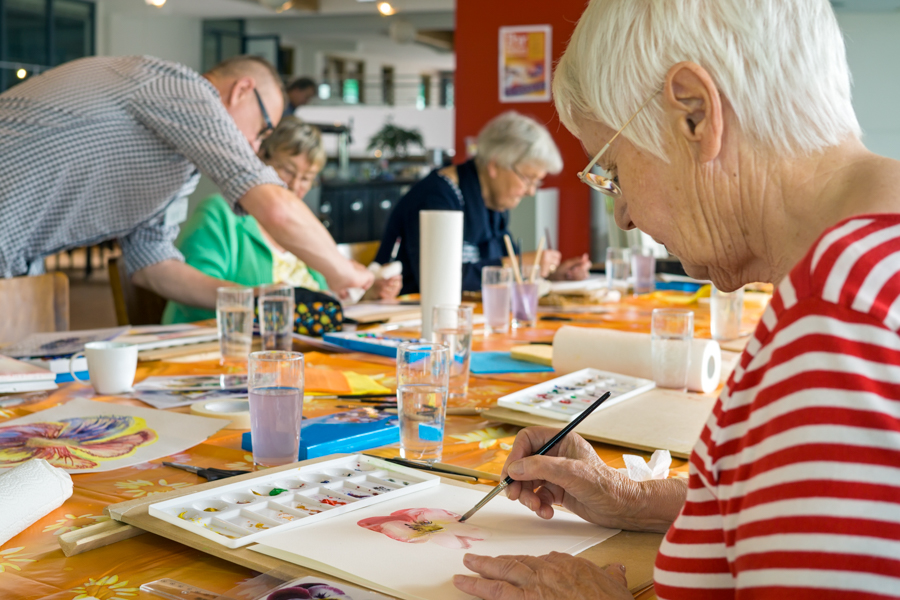
Art therapy might take the form of coloring, painting, fingerpainting, drawing, doodling, photography, or pottery. Music therapy might be done actively (when the client creates music) or passively (when a client listens to music). Certified therapists practice both art and music therapy.
How (and Why) Art and Music Therapy Works
Creative
Art and music therapy both tap into a person’s creativity, which is not often explored in daily life. The use of creative expression can allow a person to explore their emotions in an external way, which provides a new way for an individual to process deep, scary, or complex feelings.
Some art and music therapists also tie mindfulness techniques to art or music therapy. For instance, an art therapist might incorporate breathing techniques as a person paints, draws, or sculpts. The client may be instructed to use colors that help them visualize their emotions, connecting the internal and external.
Non-verbal
Because both methods utilize non-verbal communication, clients often find that art or music therapy provides a safe space for them to explore thoughts and feelings they may not have realized they had. As they do so, they may find themselves becoming more self-aware and reflective.
Hands-on
These hands-on modalities also engage more senses than would be typically used in traditional talk therapy, which allows clients to explore their thoughts and feelings in new ways.
Using these external methods to express themselves might also give a person a distraction from pain or even activate feelings of pleasure in the brain, which is useful when processing negative emotions. Music listening, for instance, can affect heart rate, breathing, and relaxation as well as boost motivation and mood. Creating something new can also give a person a sense of control, which can be helpful for some people.
Take The First Step Towards Recovery
Our representatives are standing by to help you start healing today
Efficacy of Art and Music Therapy
 Art and music have been used by people for most of humanity’s history as forms of self-expression, but it is only recently—the past 80 years or so—that they have become tools used in therapeutic settings. However, during this time, many studies have been done that show the effectiveness of using art and music therapy to treat various disorders.
In 2013, Theresa Van Lith, Margot J. Schoield & Patricia Fenner completed a meta-analysis that examined 23 different studies done on art and music therapy. This analysis concluded that “psychological recovery has been most strongly supported in terms of constructs such as self-discovery followed by self-expression.”[1]
They concluded that art and music therapy are useful in treating mental illnesses but pointed out that more research is needed on specific practices and guidelines within the therapeutic setting.
Another meta-analysis, completed in 2024, concluded that art and music therapy were useful in treating Autism spectrum disorder, ADHD, language disorders, and learning disabilities in children.[2]
What to Expect from Art and Music Therapy
Art and music therapy sessions are unique among types of therapy, as they involve creative endeavors. Some therapists might conduct the session in their regular office with supplies for the art or music being created and viewed/heard. However, depending on the kind of art or music, the client and therapist may meet or move to a larger or dedicated space, like a pottery or music studio.
Often, at the beginning of the session, the therapist will emphasize that the purpose of the art or music therapy is not to create something to display or show others; the goal is to explore one’s inner thoughts, not achieve perfection.
Depending on the creative endeavor and the client’s comfort level, the therapist might suggest ways to get started or direct the creative process at first. After the process of creation, the therapist will ask open-ended questions about the process and the creation to gain insight into the client’s thoughts and feelings.
Frequently Asked Questions about Art and Music Therapy
What’s the difference between music therapy and listening to music for fun? Or art therapy vs. using an adult coloring book?
While listening to music and using an adult coloring book are both fun and relaxing activities, art and music therapy are conducted by certified therapists who are paying attention to certain aspects of your process and creation during the session. These therapists are trained both in therapeutic models and in the art or music studio.
Do I need to be creative or have experience in art and music to participate in art or music therapy?
Not at all! Therapy gives you a judgment-free zone to create whatever you like. Often, we don’t get the chance to use our creative sides during our day-to-day lives, but that doesn’t mean that we are not creative.
Why are some art materials more appropriate for my situation than others? What does it mean to have an art therapist prescribe an art process for me?
Art and music therapists have training both in art or music and in therapy, and they might prescribe a specific process or material for you in your session based on your situation, your frame of mind, and other factors. For instance, if you are just starting out in your art therapy sessions and are feeling apprehensive about therapy or unsure of yourself in other areas of life, the therapist might recommend using colored pencils, which are easier to control than watercolors. On the other hand, your therapist might suggest using the watercolors to allow you to “let go” a bit.
Sources
[1] Van Lith, T., Schofield, M. J., & Fenner, P. (2013). Identifying the evidence-base for art-based practices and their potential benefit for mental health recovery: a critical review. Disability and rehabilitation, 35(16), 1309–1323. https://doi.org/10.3109/09638288.2012.732188
[2] Martínez-Vérez, V., Gil-Ruíz, P., & Domínguez-Lloria, S. (2024). Interventions through Art Therapy and Music Therapy in Autism Spectrum Disorder, ADHD, Language Disorders, and Learning Disabilities in Pediatric-Aged Children: A Systematic Review. Children (Basel, Switzerland), 11(6), 706. https://doi.org/10.3390/children11060706